2026-09-24 · Miles Kessler
Common Causes of Gas Line Damage in Texas Homes
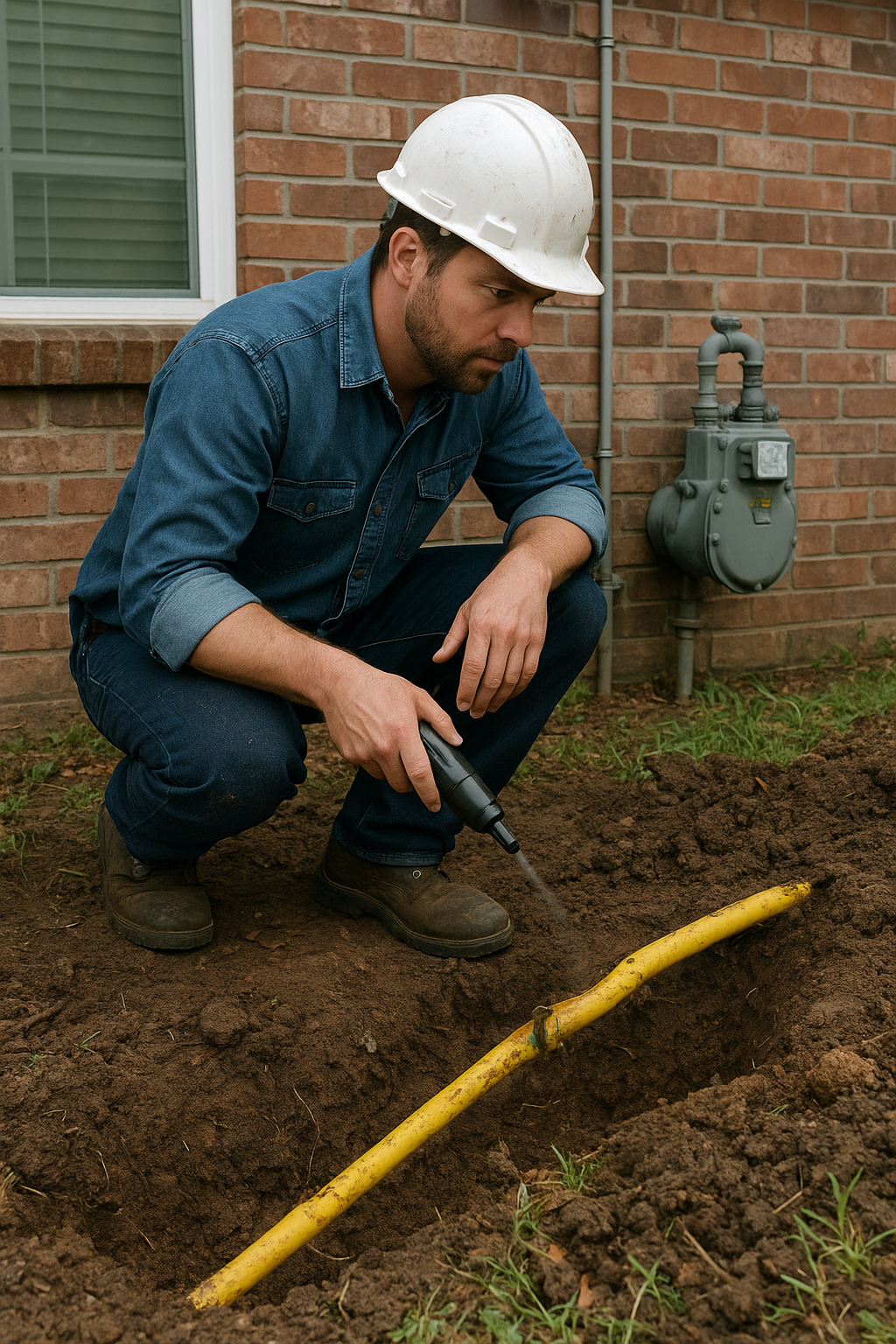
Common causes of gas line damage in Texas homes include soil corrosion, aging materials, tree root intrusion, construction activity, and weather-related stress from Houston's subtropical conditions. In Harris County neighborhoods such as Montrose and the Heights, homes built before 1960 often rely on galvanized steel lines that corrode faster due to clay-heavy soils and frequent humidity.
Soil Corrosion from Houston's Humid Climate
Houston's hot humid summers and mild winters promote moisture retention in the ground, accelerating rust on buried metal pipes. In Midtown and Downtown, where older infrastructure meets dense clay soils, lines can degrade within 20 to 30 years. Homeowners in River Oaks see similar patterns on larger properties where irrigation systems keep soil damp year-round. This corrosion weakens joints and creates pinhole leaks over time. Checking for signs of gas leaks helps catch early damage before it spreads.
Aging Pipes in Historic Neighborhoods
Many homes in the Heights and Montrose date back to the early 1900s and still use original black iron or galvanized lines that have exceeded typical 40-year lifespans. These materials expand and contract with temperature swings, leading to thread failures at fittings. Pearland and Sugar Land properties built in the 1970s and 1980s face comparable wear from decades of use. Replacement becomes necessary when multiple leaks appear along the same run. Gas line replacement addresses these systemic issues in older Harris County stock.
Tree Roots and Landscaping Pressures
Live oaks and other deep-rooted trees common around River Oaks and the Heights send roots toward buried gas lines seeking moisture. Roots can crush or displace pipes, especially in compacted urban yards. Katy properties with larger lots see this problem more often during dry spells when roots travel farther. Regular landscaping reviews prevent root contact with shallow lines installed near foundations. Gas leak detection locates root-related damage without extensive digging.
Construction and Excavation Risks
Ongoing development in Midtown and near Minute Maid Park frequently disturbs gas lines during foundation work or utility upgrades. Backhoes and vibratory equipment can nick or bend lines that were installed without proper depth markers. Downtown high-rises and new builds in Pearland increase these incidents when crews work near shared easements. Homeowners should mark lines before any digging projects begin. Signs of a gas leak appear quickly after accidental strikes.
Weather and Flooding Effects
Houston's subtropical storms and occasional flooding in low-lying Harris County areas saturate soil around gas lines, promoting external corrosion and shifting pipe alignment. Hurricane remnants can wash away supporting dirt in neighborhoods like the Heights. Mild winters still bring enough temperature variation to stress older joints. Gas line repair vs. replacement decisions often hinge on how much weather damage has accumulated along a run.