2026-09-24 · Miles Kessler
Gas Line Repair vs. Replacement: How to Decide
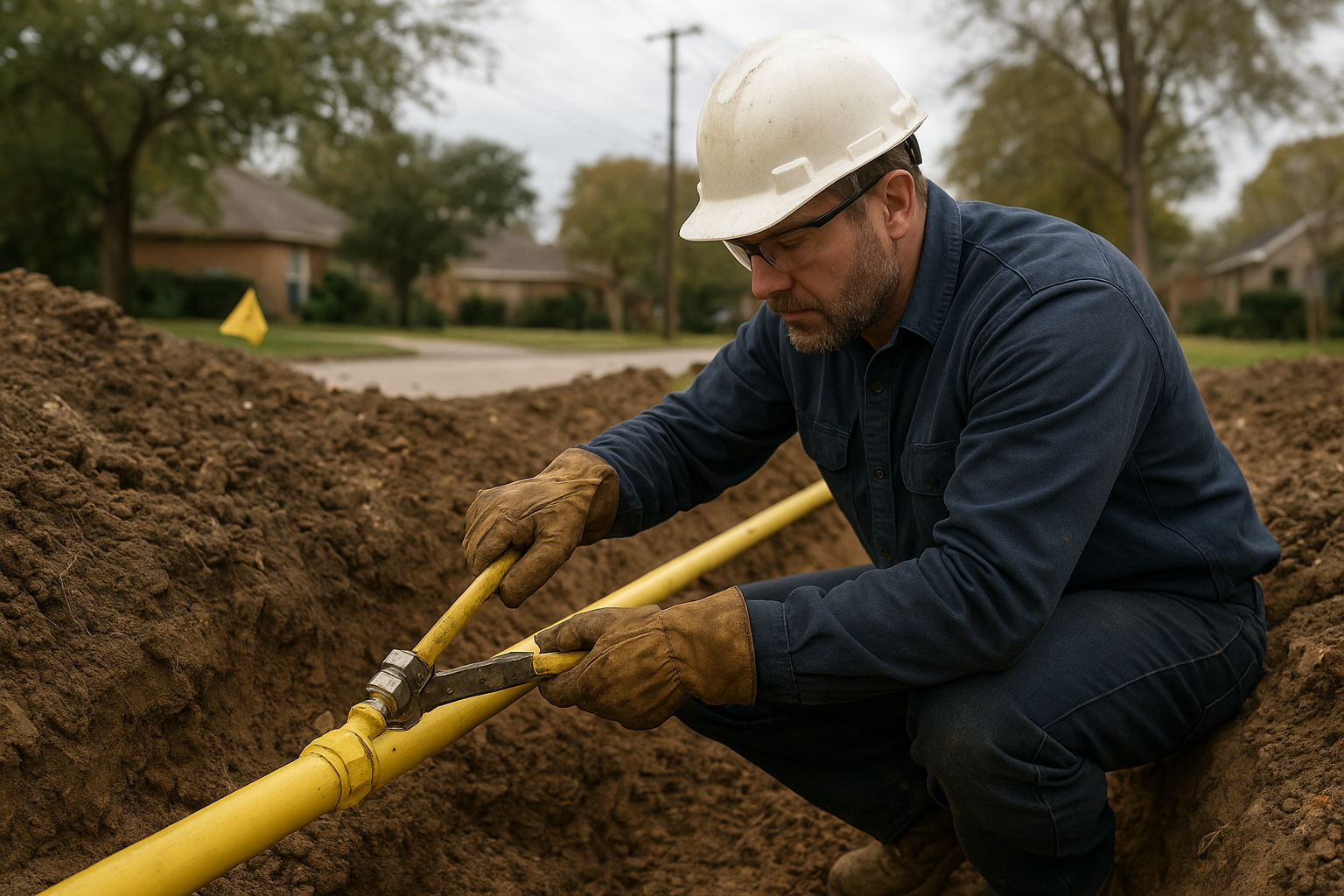
Deciding between gas line repair and replacement in Houston often hinges on the extent of damage and the age of the existing lines, with targeted repairs working well for isolated issues while full replacement becomes necessary once corrosion affects more than 30 percent of the run or lines exceed 25 years in older stock.
Assessing Damage Extent and Pipe Age
Homeowners in Montrose and River Oaks frequently deal with galvanized steel lines installed decades ago that now show pinhole leaks from decades of humid air exposure. A single small leak near an appliance connection can usually be repaired by cutting out the damaged section and installing a new fitting, provided the rest of the line tests sound under pressure. In contrast, lines running under Midtown or Downtown sidewalks often suffer from multiple corrosion points caused by shifting clay soils common in Harris County. Checking the full length with electronic detection reveals whether isolated fixes will hold or if the entire run needs updating to modern polyethylene or CSST materials.
Cost Factors Specific to Houston Homes
Repair costs for a localized gas line issue in the Heights typically range from $400 to $900 when the crew can access the line without major excavation. Replacement for a full 50-foot run serving a single-family home in Pearland or Sugar Land usually falls between $1,800 and $3,200 depending on depth and whether the work requires sidewalk cuts. The subtropical climate with hot humid summers accelerates exterior corrosion on above-ground sections, so factoring in future maintenance helps decide if repeated repairs will exceed the one-time cost of replacement. How Much Does Gas Line Repair Cost in Texas? outlines typical pricing ranges that apply directly to these neighborhoods.
How Local Soil and Weather Influence the Choice
Harris County clay expands and contracts with seasonal moisture changes, stressing rigid steel lines more than flexible alternatives. Homes near the Houston Zoo or Museum of Fine Arts sit on older fill dirt that moves more than native soil, increasing the chance that a repaired joint will fail again within two to three years. Mild winters reduce freeze-related breaks but the constant humidity promotes rust on exposed fittings. Crews working in Katy or Sugar Land note that lines installed before 1990 often need replacement once one leak appears because the remaining pipe shares the same corrosion timeline. Common Causes of Gas Line Damage in Texas Homes details these soil and moisture patterns.
When Replacement Outperforms Repair
Full replacement makes sense for homes in the Heights or Midtown where multiple leaks have already occurred or when adding new appliances requires larger capacity lines. Older steel runs under 2-inch diameter often cannot support modern high-efficiency equipment without upsizing. In these cases, running new polyethylene from the meter to the appliance avoids future excavation in established yards. Gas line replacement covers the process used on Houston properties where repair would only delay the inevitable. Property owners in River Oaks and Downtown also choose replacement when selling, as buyers request documentation of updated lines.
Practical Next Steps for Houston Homeowners
Start by scheduling a pressure test and camera inspection through gas line repair to map the current condition without guesswork. Compare the quoted repair price against replacement for your specific layout, especially if the line runs beneath driveways or patios common in Pearland. Document the pipe material and installation year if known, then weigh whether another repair cycle fits your timeline and budget. This approach keeps decisions grounded in the actual condition found on site rather than general rules.